Outsourcing Masculinity X
We're going Roman Numeral on this one, baby

Yokoso, mina-tachi! Welcome, everybody! In my previous installment I discussed the death of Joss Whedon’s career as an allegory for Geek Culture’s abandonment of its masculine roots, or at least its masculine norms. Whiteness and heterosexuality were off the table too. Not that they aren’t allowed to exist, ha, ha, but that they couldn’t be seen as the norm.
The resulting culture isn’t easy to describe briefly but it’s not hard to understand. Straight, white males could be seen as good people for the individuals that they are, but not for any aspect of their identity; people outside of those demographics could be seen as bad people for the individuals that that they are but not but not for any aspect of their identity. However, this wasn’t conservative coded color-blindness; you could bash identities within the intersectional trifecta (straight, white, male) and praise identities outside of it.
To make matters even tougher for the evicted gatekeepers, a DEI-esque mentality meant that the presence of people with the Unholy Trinity of privileged identities were a sign you were failing at to create a just environment, if they existed in higher numbers than anyone else—even though they sometimes literally exist in higher numbers than anyone else. So, like a bouncer at the nightclub door, the culture also had to keep the positive representation of these people under quota even though they were already being held to different standards of inclusion.
Critics of all this tend to fold it under the umbrella of DEI or Wokeness. I tend to think of as the movement against Mediocre White Males as that became the supposedly defensible slur-de-jour for those targeted.
The effect on the product was homogenizing.
Back in the 80’s and 90’s most of the cartoons were scrutinized by the moralist censors and they tried to justify themselves with good wholesome lessons for kids. At some point in a show’s run there would frequently be an episode where the boy members of the cast would be sexist about something and then the girl members of the cast would beat them at that thing to show that girls can be good at stuff too. That’s fair. Next week would be about not taking things without asking or saying no to drugs. Goofy anti-sexism is as good as goofy everything else.
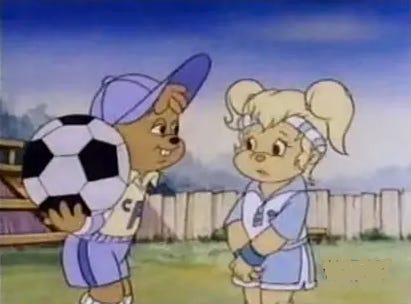
But after the Mediocre White Male Punishment Arc, it was like the whole of everything became that episode. No matter what universe or what franchise a diverse character, especially a woman, could show up and take the stage with the same effect of a kid with cancer stepping into a Professional Wrestling match1. It was all pretense the whole time but watching that hairless little guy jump off the turnbuckle into Cody Rhodes is a bit of a stretch. The bookies just won’t take that bet.
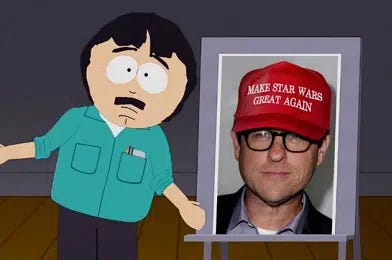
Anyone who noticed this was pretty much told point blank that it wasn’t happening. I already touched on the derailment of certain franchises in the last post, and I can’t directly attribute Trump getting elected to Star Wars sucking and people being overwhelmed by the modern era and looking for refuge in nostalgia. Besides, South Park already beat me to that.
The thing is with being the new gatekeepers is that nobody was able to deal with one of the largest holes punched in the walls.
Netflix was technically founded in 1997 and would famously rise up to kill the video-rental store, but at first, they weren’t the biggest deal. They actually offered to sell themselves to Blockbuster in 2000, but only 4 years later Blockbuster would be trying to emulate the Netflix rental model and getting sued over it. Netflix started streaming videos in 2007, and it took a moment while they expanded their library, but they were the largest streaming source in America by 2011. By the time Trump was elected we were looking at a company that was pulling almost 7 billion dollars in revenue a year.
Netflix isn’t really a source of cultural upheaval per se; all in all, they are definitely lockstep with generic entertainment industry progressivism. But they broke the pay model. With theaters continuing to decline, and entertainment stuck in a Marvel rut, 7 billion a year was enough scratch to make the studios notice. They began to pull all their second run stuff from Netflix and set up their own streaming services, studio by studio. With Disney throwing their mouse-eared hat in the ring it seemed like there could be a legitimate battle for streaming supremacy.
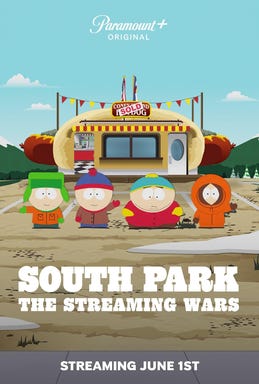
Netflix had been producing original content for some time and pulling in more programming from other countries for cheap. Between their catalogue and history, they tanked every challenger from Disney+ to Apple TV.
But their real competition was never those services to begin with, and said competition had been in the streaming game longer than Netflix had.
YouTube got its start it 2005, exiting its beta release in December of that year. The platform was so successful that Google bought it out the next year. Even though this led to the expected (and now well known) forms of enshittification2 the platform still grew and grew.
Before Covid hit YouTube grew from being responsible for 11% of all internet traffic to being 16% percent of it. Meanwhile, Netflix had managed to shrug off the new upstarts and still grow its subscribers, but the damage had been done. They lost established comfort fare like The Office and they were left dishing out the same Neo-Progressive style slop everyone else was at the same time without the archive of nostalgia to soothe more conservative types. They grew their subscriber count from 192 to 218 billion but that was almost half of the 41 million subscribers they gained the year before. YouTube had won the streaming wars, Netflix had merely weathered it. By 2022 they were forced to do layoffs and crackdown on shared accounts and do a wave of show cancellations to minimize costs against slower than expected growth.
Netflix currently sits at 301 million paying subscribers. YouTube gets 2.5 billion unique viewers a month. Netflix has a gender demographic representing split of 51% female, 49% male. YouTube is a more masculine 55% male, 45% female. That ten-percent swing in viewer genders is enough to account for every man in the USA with plenty of room for Mexico or Canada for dessert (and damn near both). Streaming now accounts for more viewing hours than cable and broadcast television combined with YouTube alone being more than half of either one.
After years of being something between an afterthought and a narrative punching bag, boys and men are just fucking off and we’re entertaining ourselves. This is heartening in a way; after decades of the many shades of cop slop, sitcoms, talk shows, and reality television it turned out that one of the things human beings were most starved for was just… each other. And cats.

It’s not all good feels however, with a “pick-your-poison” menu covering everything from women scraping their nails over microphones and screaming dudes playing video games, to mukbangs and opening boxes of various crap you bought, an interestingly specific content mill has helped separate most of the world from a shared viewing experience. Everything is so gluttonously tailored there’s almost no national pop-cultural experience.
Almost.
For all that YouTube may catch way more eyes than any streaming service, some 83 percent of people do watch some streaming service or another. Between Gen Z’s 88 percent and the Millennials 92, 9 out of 10 people between the ages of 18-44 have seen something on a streaming service. And Netflix is the clear streaming platform preference.
A look at Netflix’s top 10 shows a line of ostensibly female viewer-oriented shows. It’s mostly girly quirk and white men behaving badly. Stranger Things stands out, a show framed with nostalgia about the once masculine D&D franchise that began as a sort of magic girlfriend/detective show before said magic girlfriend became the main character3. That show basically has an equal parity viewership at 13 female viewers for ever 12 men. The only other exception is mystery box cop-slop4 show The Night Agent. The single most popular show which is also, somehow, 20% of the list (because it’s by season for some stupid reason) is about a character invented in 1944, and 30% of the whole thing is British. That sort of leaves The Queen’s Gambit as the only American fiction show for women that isn’t nostalgia bait and it’s kind of like Rocky for chicks if the black guys were white and Rocky Balboa slept with a few black guys5. And even its set in the 50’s and 60’s.
And don’t let Netflix fool you. These aren’t actually their top shows. TV Legacy Shows from Suits to Supernatural and screen-parking Toddler-Slop all fold anything original to streaming, including Wednesday. Even this awful article trying to convince you that women are better viewers than men will tell you that.
Hollywood Diversity Report: Streaming audiences want new offerings | UCLA
They can’t get Bluey’s gender right or even figure out that the main character of That 90’s Show is actually Eric and Donna’s daughter, Leia Foreman—but they have to admit that the streaming originals are lightweight.
So, what are the men doing that makes them such inferior viewers? Well, as I’ve already said they’re watching YouTube and its ilk and-
Go up to any man or boy younger than a Gen Xer and they’re more likely to have played a video game than to have watched anything on Netflix. Go down to Gen Z and they’re just as likely to game as stream at all. And the trend is constantly rising unlike streaming which actually dips into Gen Z.
Look at the top ten of gaming and, despite the relative parity of gender over all since mobile gaming is included, it’s obvious I owe Netflix an apology because femininity doesn’t even make a guest appearance.
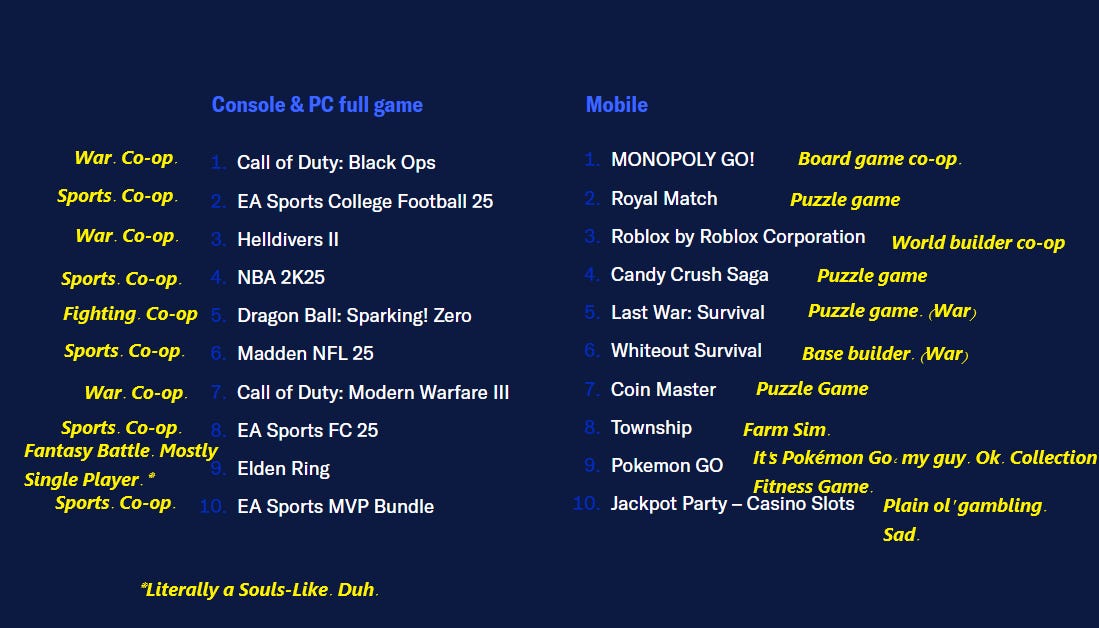
At least only 20% of the console list is Japanese, but that also includes the only arguably story driven single player experience on the list (there’s also multi-player in Elden Ring but I wouldn’t say the game’s built around it.) I admit I’m making the term “co-op” pull a heavy load since it doesn’t exactly apply to 1v1 games like sports or fighting but I mean “multi-player driven experience” and the word is shorter than multi-player. You’re cooperating to have a good time. Sue me.
Half of the puzzle games in mobile are also really meant to be played as versus or co-op as well.
What I want to get across is that normie masculine gaming is mostly social and light on story and when it isn’t we really tend to stick to violent crime stories, warfare, or just let the Japanese handle it.
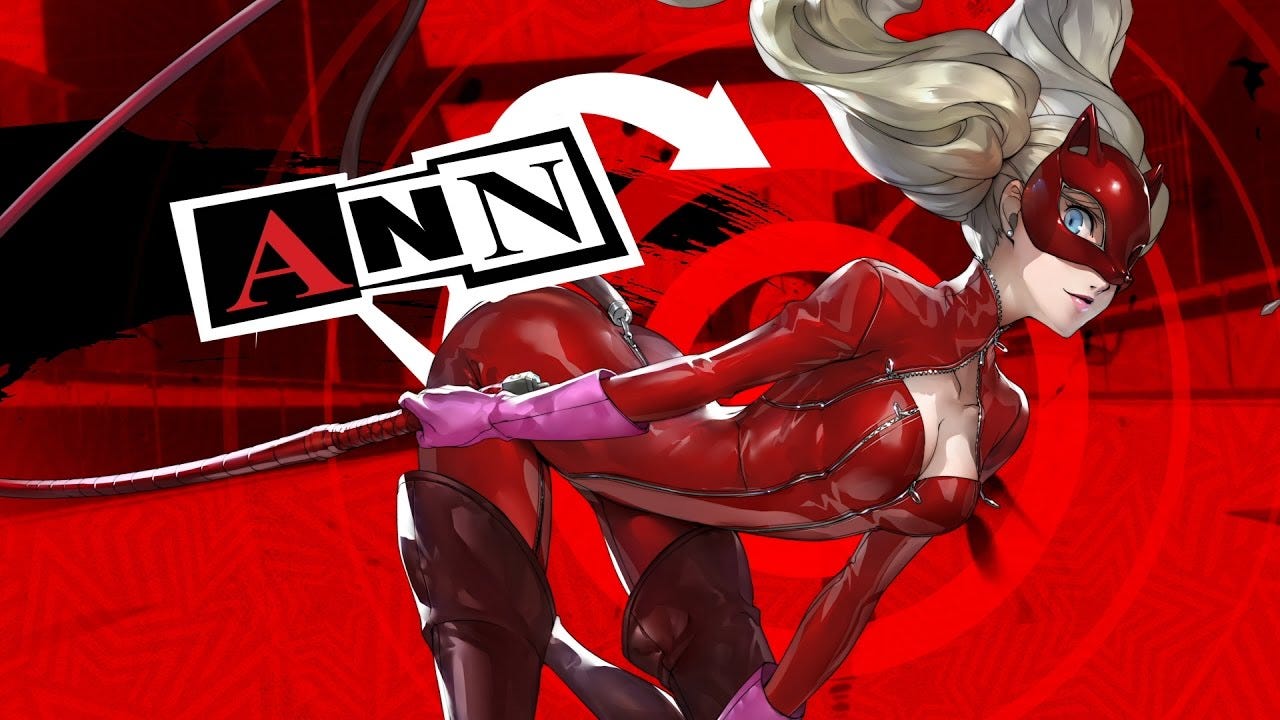
When I say that there’s almost no shared US cultural experience what I mean is that the one thing we share is a lack of a shared mythos—particularly one that’s forward facing. Our fiction is loaded with nostalgia, with most of Netflix’s biggest hits being nostalgia bait or alt-history (this includes Adolescence and Dahmer by the way), and in masculine gaming it’s similar and potentially worse. It’s a genre where sequels and franchising are expected actually, and franchise fatigue is always fighting with the pursuit of novelty for novelty’s sake.
For years as Microsoft tried to get the Xbox series going as a Playstation killer and not to imply there was a direct causation, but that went hand in hand with some default hostility towards anything but the most famous Japanese titles.
To be fair, with import law still being the gatekeeper to American culture at the time, things only tended to be brought over because they felt like guaranteed hits or they were cheap. Couple with Japan’s tendency to produce slop or greatness with very little in between, it was a guaranteed churn of (at best) mid JRPGs.

Making matters worse, outside of what was playing on Cartoon Network or the WB, Japanese video rentals were also going through the Japanese slop process. These days isekai, “other world” anime are infamous for quantity over the quality, and before Neon Genesis Evangelion deconstructing the mold by adding Christian themes to Gundam, it was mecha anime. For the brief period it was probably harem-genre making up the slop which, while having bright points like any slop genre, is easily the most alienating to American normies. But those that liked it would do anything to get it.
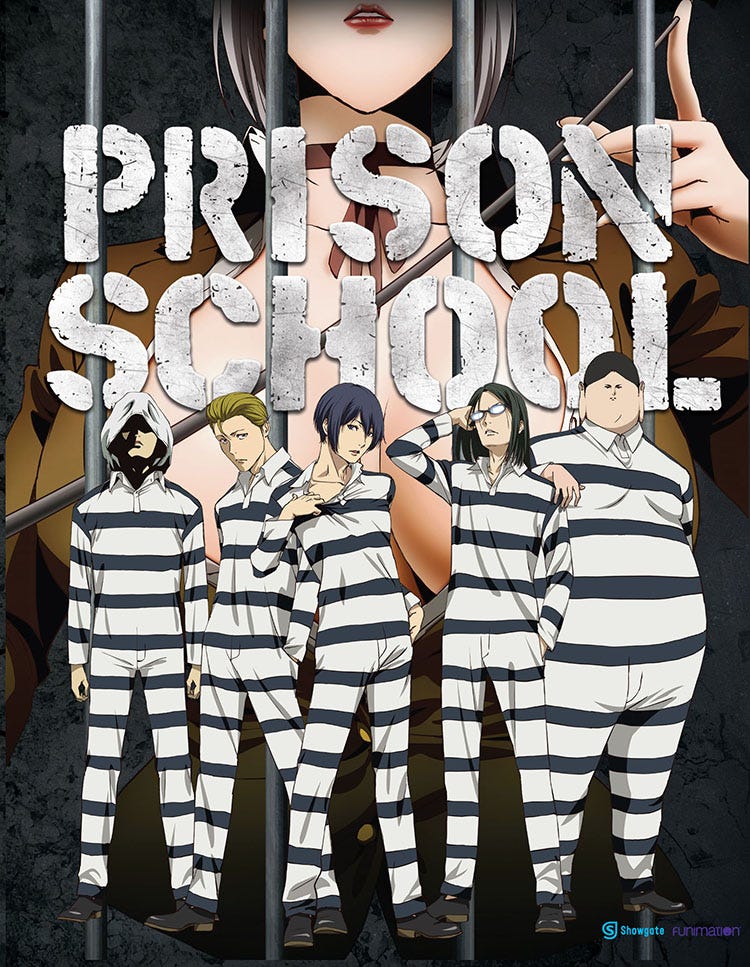
Which is why streaming, especially internet streaming, is the thing that marks the fourth and final wave. It surprises me a little, but America’s number one legitimate source of anime is Netflix—and that surprises me because until very recently Netflix’s anime library was um… sad, pimpled ass? It’s gotten all the way up to unimpressive, but I say “legitimate” for a reason.
Anime Piracy Is a Bigger Problem Than Ever, And a New Report Shows Us How
Most people just Yo-ho-ho whatever they want to watch and have for a long time. That article says that popular anime titles are just as big as House of Dragon and The Boys. This next article says that anime is beating out Hollywood.
Anime Dominates the Most Pirated Shows of 2024, Beating Out Major Hollywood Hits
The bargain that is skipping out on a movie ticket for a 2-hour movie isn’t pushing those numbers past the similar cost of a subscription that would get you a month of Hulu. That’s just all the more that another country’s cartoons are preferred over our own lame-ass movies.
Welp, I’m libertarian enough to just say that’s Hollywood’s problem but I’m socially conscientious enough to think that it’s going to be rough watching us get more and more unmoored.6 One of our primary ways of communicating with each other online these days is through meme culture. And one of our most common sources of memes, is that common source of shared culture and joy. Cartoons.
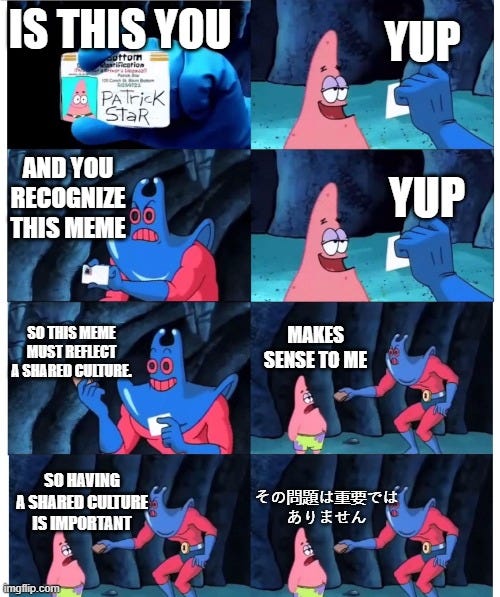
Only, while they may be weird, they make whole entire kids that don’t even know what cartoons are.
I wonder if that kid would have known what he meant if he had said anime. Also, I love that this was sourced from Tik Tok, and he said he watched YouTube. Nice, little man.
Bashing Japanese video games fell off, as did harem-slop, (it’s still a genre, but it’s not the genre) and this beautifully coincided with an internet able to provide anything to everybody around the world. The 4th wave of anime currently stands as a cultural phenomenon that, well… I’ll let these rankings do the talking.
11 Highest-Grossing Movies of 2025 (So Far)
Right now, Demon Slayer, an anime movie, stands as the 5th highest grossing movie of the year. What’s bested it? A Jurassic Park movie from a franchise started in 1993, a video game movie (a video game created in 2011 by a Swedish guy, btw), a Disney remake of a movie from 2002, and—killing the rest— a sequel to a Chinese animated feature. All of these movies are kid friendly, where they are not just straight up for kids. Ne Zha, Demon Slayer, and F1 stand as the only three entries on the whole list that involve franchises less than a decade old. If you happen to be hype about the new Superman movie, btw I will point out like a killjoy that it made less in raw dollars, without adjusting for inflation, than Man of Steel or Justice League.
Oh, and you want to know what Netflix’s biggest movie of all time is?
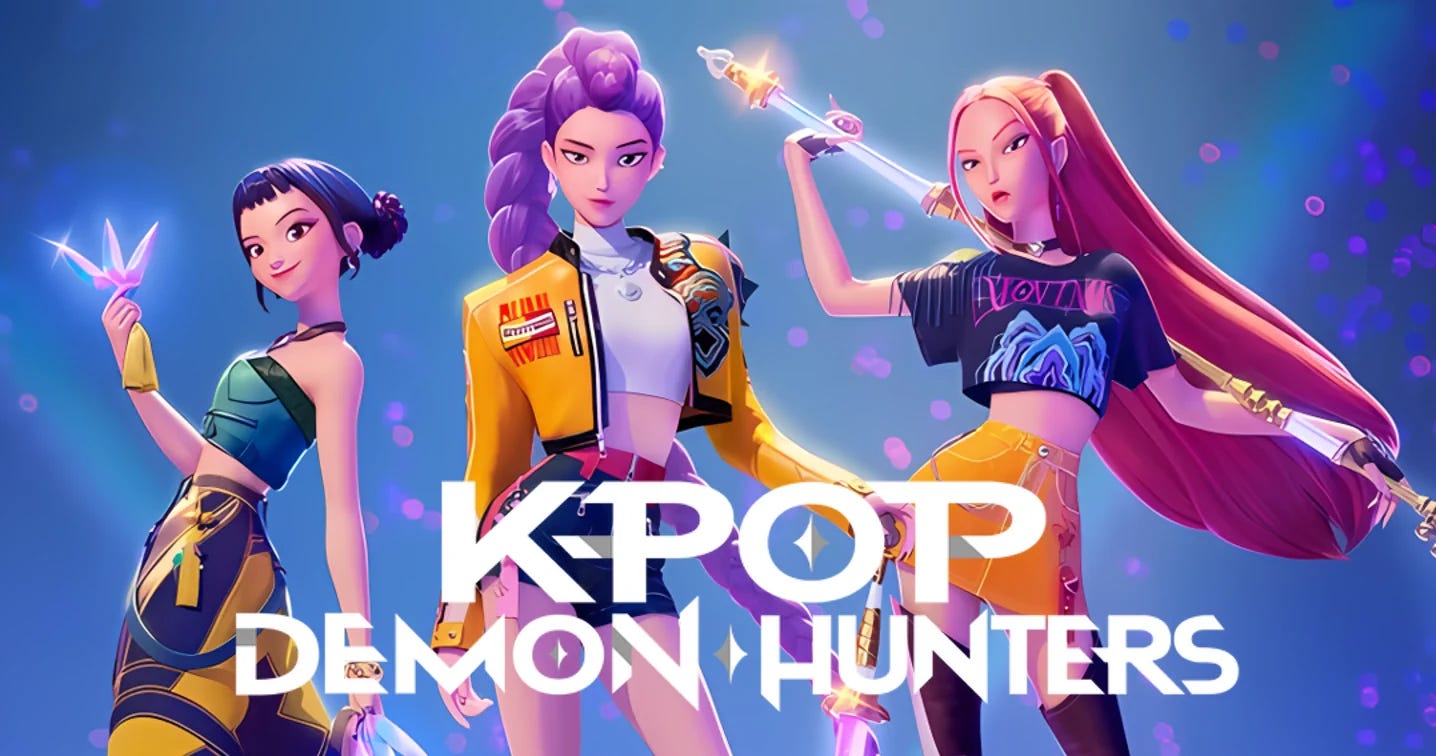
Disney and its underdog competitors, and the Golden to Bronze Age comic book industry stand as our only real attempt to be any good at children’s entertainment and holy crap look at what’s still dominating the movie charts. I mean, I guess there’s also dinosaurs, spy movies, race cars, and a ghost story. Kids notoriously hate those things.
When I started this series I stated outright that America has a serious problem with children needing anything as children. Now our culture is hitching along on fumes of the past while countries that haven’t given up on liking themselves are beginning to be hot competition with a fraction of the resources available. When you look at numbers that aren’t twice-cooked Netflix self-hype, people are traipsing through reruns and watching adult cartoons while they park their kids in front of cartoons so Australian dogs can teach our kids how to play. And while I love that a generation of American babies will be able to fight off spiders larger than they are, they should also learn there are like literally zero “R’s” in the word "no.” (Bluey is good though, no shade.)
Our kid’s entertainment is in genuine peril of going the way of our manufacturing industry.
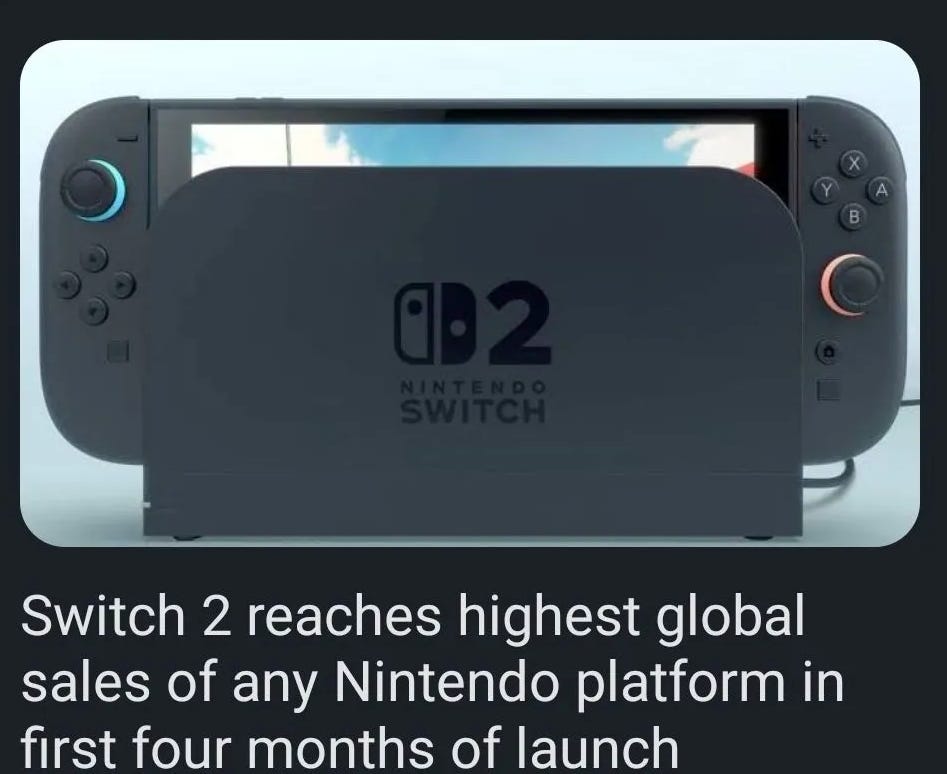
And right now, our only response is localizers making sure that the sixteen-year-old girls’ outfits are vaguely less sexualized, changing the dialogue to be more feminist friendly, and making sure Japan’s take on gender as a social construct is rewritten to reflect the American progressive version. It’s just the old white chick version of making sure you call an onigiri a jelly donut. We’d rather just feminize another culture’s masculine entertainment than bother to come up with a version of our own that actually hits the target audience. And we’re rapidly producing the men we may not want, but the ones we deserve.
The Make-A-Wish foundation is a beautiful organization and why I got to take my youngest son to Disney World, Sea World, and Universal Studios. He made it by the way. Six years in remission.
My spellchecker knew what this word was.
This isn’t meant to be a “Stranger Things went woke” observation. It’s way harder to juice “Is the Dungeon Master” as a character lead than “Has all the psychic powers and backstory.” If there’s a libtarded narrative point that almost derails the show, it’s the need to awkwardly force a shittily written and very white male bully into every. fucking. season.
FBI Agents, spies, prosecution lawyers, detectives are all cops in cinema. Don’t try to think of exceptions and don’t be a pedant. Or I mean… do. And put them in comments. I’ll pay attention to that engagement insight!
Sort of like if that beach scene in 3 was the whole series, I guess?
Proud of that one. Wish I could use it as a title, honestly.
"(Bluey is good though, no shade.)"
It really is. 90% of kids shows are completely unwatchable by anyone over age 10, and most of the rest are tolerable because they use double entendre to go over the heads of the young viewers. Bluey is the exception. The writers understand that "silly" and "dumb" are not synonymous. The characters aren't doing stupid things for no reason. This makes the jokes actually funny. They also include the points of view for both the parents and the kids. Families can watch together and laugh at the same jokes. Some episodes have layers with real meaning for parents. For example, the episode "Café" is about how easy it is for kids to play together but also about how men struggle to make friends. It's not preachy and it doesn't try to provide a solution. It just acknowledges the reality.
Good article. Also, didn't expect you'd reference Prison School lol. I think you're correct that all of this contributes (much like social media) to people not having a "shared" culture/things to talk about/etc. It also acts as tool of (global) homogenization to some extent.